It is usually the lens, not the body, that defines a photo’s character. Focal length controls how much of a scene we see and the perspective: wide angle expands space, telephoto compresses it and isolates the subject. Choosing the right lens is directly tied to the genre you want to shoot.
Focal Length and Aperture
Wide-aperture primes (like f/1.8) deliver that cinematic background-melting bokeh and excel in low light. A 50mm is a versatile start for everyday and portraits; an 85mm gives the softest facial rendering in portraiture; a 24-70mm zoom is a safe pick for those wanting flexibility. For landscape a 16-35mm shines, and for product, macro lenses stand out.
Prime vs. Zoom Lenses
Prime (fixed-focal) lenses generally offer wider maximum apertures, sharper optics and a more compact build. 35 mm, 50 mm and 85 mm primes are classic choices for portraits, street and low-light work. Zoom lenses cover different focal lengths in a single barrel, making them ideal for travel and event photographers. The 24–70 mm f/2.8 zoom meets a one-lens-does-it-all philosophy for many professionals. The choice largely depends on your shooting style and how much you want to carry.
Full-Frame vs. Crop-Sensor Cameras
Full-frame sensors deliver a wider dynamic range, better low-light performance and greater depth-of-field control. APS-C (crop) sensors are lighter and less expensive; the same focal length appears longer due to the crop factor. The extra reach of a crop sensor benefits wildlife and sports photographers. For landscapes and portraits, full-frame holds advantages in dynamic range and bokeh depth. Evaluate your use case and budget before committing.
Essential Accessories
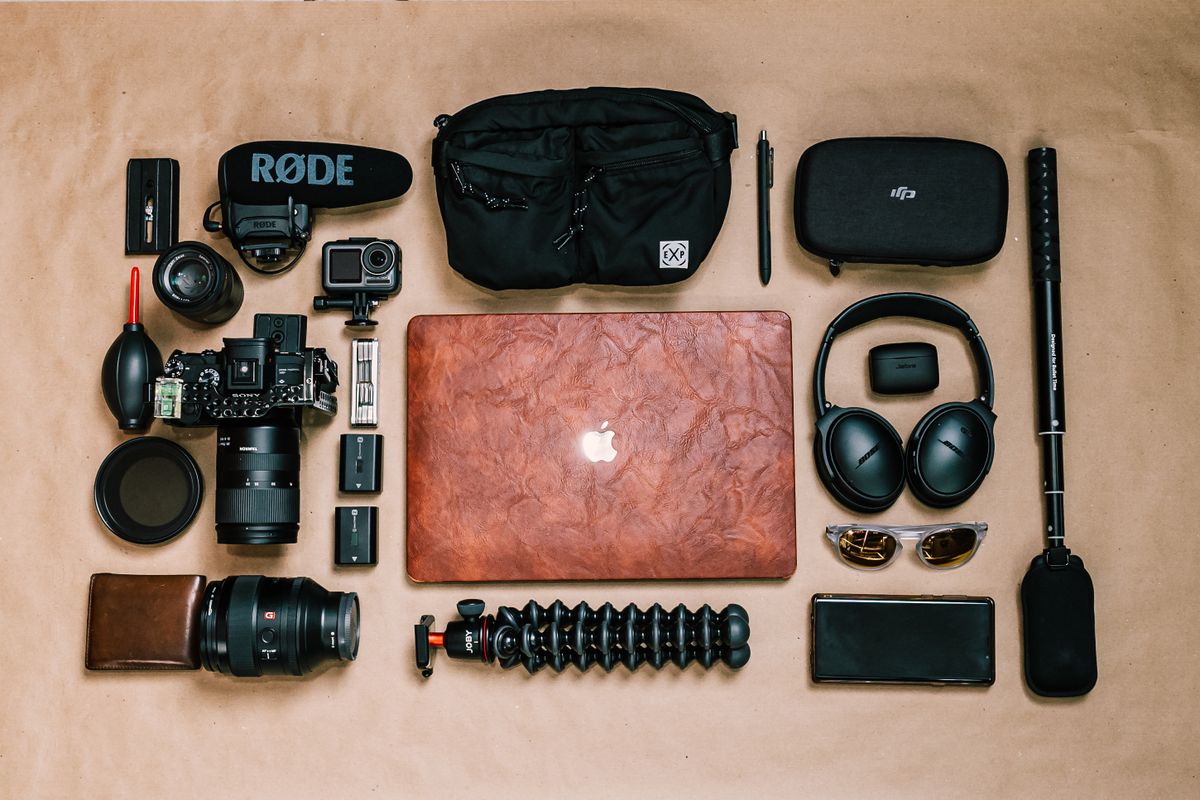
A quality camera bag or backpack protects gear and speeds up access. Spare batteries and fast SD cards ensure uninterrupted long shoots. A tripod is indispensable for low-light and long-exposure photography. Keep a rain cover and case for protection in adverse weather. Neutral-density (ND) filters balance brightness when shooting wide open outdoors.
Buying Second-Hand Gear
Used cameras and lenses typically sell for 50–75 % of the new price and are often in excellent condition. Shop through reputable second-hand platforms or authorised dealers. Check the viewfinder, LCD screen and mirror box for scratches or moisture marks. Back-light the lens to check for fungus, haze or scratches. Before buying remotely, ask the seller for a video review or sample test shots.
Renting Before Buying
Camera and lens rental lets you trial expensive equipment before a long-term commitment. If a specific lens or light modifier is needed for a single shoot, renting is more economical than buying. Rental also lets you genuinely test new gear in your own shooting conditions. Rental companies generally provide insurance and support. For regular use, cumulative rental costs can exceed the purchase price over time.
Genre-Specific Gear Choices
Portrait: 85–135 mm f/1.4–1.8 prime for creamy bokeh and accurate skin rendering. Landscape: 16–35 mm wide-angle, tripod, ND filter, polarising filter. Wedding: multiple camera bodies, 24–70 mm and 70–200 mm zooms, fast flash. Street: compact and quiet 35 mm or 28 mm prime, small camera body. Product: macro lens, light tent and a grey card for colour accuracy.
Photostorio: On Photostorio you can compare specialist photographers, studios and models, browse their portfolios and book online.
','rehber','lens choice, gear, lens, prime, zoom','Lens Choice & Gear Guide 2026 | Photostorio